
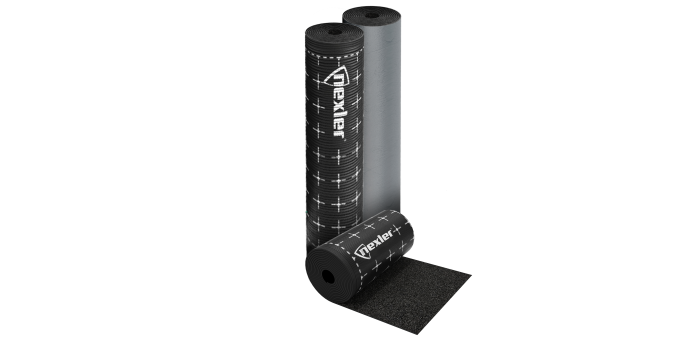
The most common mistakes made during the installation of bituminous felts
The installation process of heat-weldable bituminous felt is the most important factor in ensuring the longevity and tightness of the roof. It may seem extremely simple to perform. Unfortunately, the number of mistakes that can be made is countless. We will look at the most common mistakes and discuss how to avoid them so that the roof structure provides protection for years to come.
You can read this article in 5 minutes. You will learn from it:
- What installation mistakes most often shorten the life of bituminous felt.
- How to properly prepare the substrate and carry out welding.
- How to avoid problems with leaks and loss of bituminous felt properties.
Installation of bituminous felt on unsuitable substrates
One of the most common mistakes made during the installation of bituminous felts is applying them to a substrate that is frozen or damp. Water remaining under the bituminous felt causes poor adhesion to the substrate, resulting in the bituminous felt detaching from the substrate and leaky waterproofing. In the case of damp roofs on which we want to install appropriate waterproofing, NEXLER Termoklej or NEXLER Renovation underlay bituminous felt should be used which has special channels in its structure through which water that evaporates from under the bituminous felt can escape to the outside.
Failure to properly clean the substrate
When applying any type of bituminous felt, the substrate on which the waterproofing will be applied must be thoroughly cleaned. Dust and dirt significantly reduce adhesion to the substrate and stability. Failure to perform this very important step can quickly result in the bituminous felt detaching from the substrate. This results in leaky waterproofing, which can lead to the degradation of the roof structure in buildings.
Too much soil
Before installing bituminous felt, the substrate should be primed, e.g. with NEXLER BITFLEX Primer. This is an often overlooked step that significantly reduces adhesion to the substrate. However, during application, it is also important to remember to apply the appropriate layer of primer. Too much primer can cause problems with the adhesion of the bituminous felt to the substrate and cause it to detach.
Insufficient melting during welding
After correctly applying the primer to a clean substrate, the next mistake is insufficient heating of the bituminous felt. This is checked by means of adequate melting, which should be 5-15 mm. Insufficient melting results in inadequate adhesion to the substrate and a lack of waterproofing tightness.
Overheating of bituminous felt
Bituminous felt that has been exposed to too much heat loses its properties due to overheating of the reinforcement. This can result in leaky waterproofing and loss of the material’s mechanical properties.
Too narrow and insufficiently welded transverse overlap
The roof substrate works under changing weather conditions. Therefore, care should be taken to ensure that the welded overlaps are of sufficient width. The transverse overlap should be 12 cm, while the longitudinal overlap should be 8 cm. Shrinkage of the layers may cause insufficiently wide overlaps to become loose, resulting in leaky waterproofing. Top layer bituminous felt includes 12 cm wide foil-covered edge strips, which make it easier to maintain the correct width and ensure proper welding of the felt at the edges.
Insufficient slope
Even during the design phase of a building, construction errors are made that require subsequent repairs. The most common mistake is insufficient slope, which should be at least 2%. This ensures proper water drainage from the roof and prevents water from accumulating on the roofing, which further extends the life of the same.
To ensure the durability and tightness of the roof for years to come, construction errors should be avoided when installing bituminous felt. Errors can occur at any stage, from preparing the substrate and priming to properly welding the material. Each of these stages is extremely important and must be carried out with care. It is worth remembering that proper installation and welding of bituminous felt means peace of mind for years to come.